What international patients should know
For many patients, surgery is one of the biggest medical decisions they will ever make. The key questions are: Major hospitals in China now perform robotic surgery, laparoscopic surgery, thoracoscopic surgery, endoscopic treatment, and day surgery in multiple specialties. MedVoyage China helps international patients understand whether China may be a suitable option for surgical evaluation and care coordination.
- Is surgery really needed?
- Is minimally invasive surgery possible?
- Which surgical approach is appropriate?
- Which hospital and specialist should evaluate the case?
- What are the risks?
- How long is the hospital stay?
- How long is recovery?
- Can the patient travel safely?
- What follow-up is required after returning home?
- In China’s leading cities, minimally invasive surgery has become an important part of modern hospital care
What Is Minimally Invasive Surgery?
Minimally invasive surgery refers to surgical or procedural techniques designed to reduce trauma compared with traditional open surgery. It may involve: Minimally invasive surgery is not always the right choice. Some patients still need open surgery. Some patients may not be suitable for surgery at all. The decision must be made by qualified surgeons after reviewing the patient’s diagnosis, imaging, lab results, medical history, risk factors, and treatment goals.
- smaller incisions
- laparoscopic instruments
- thoracoscopic instruments
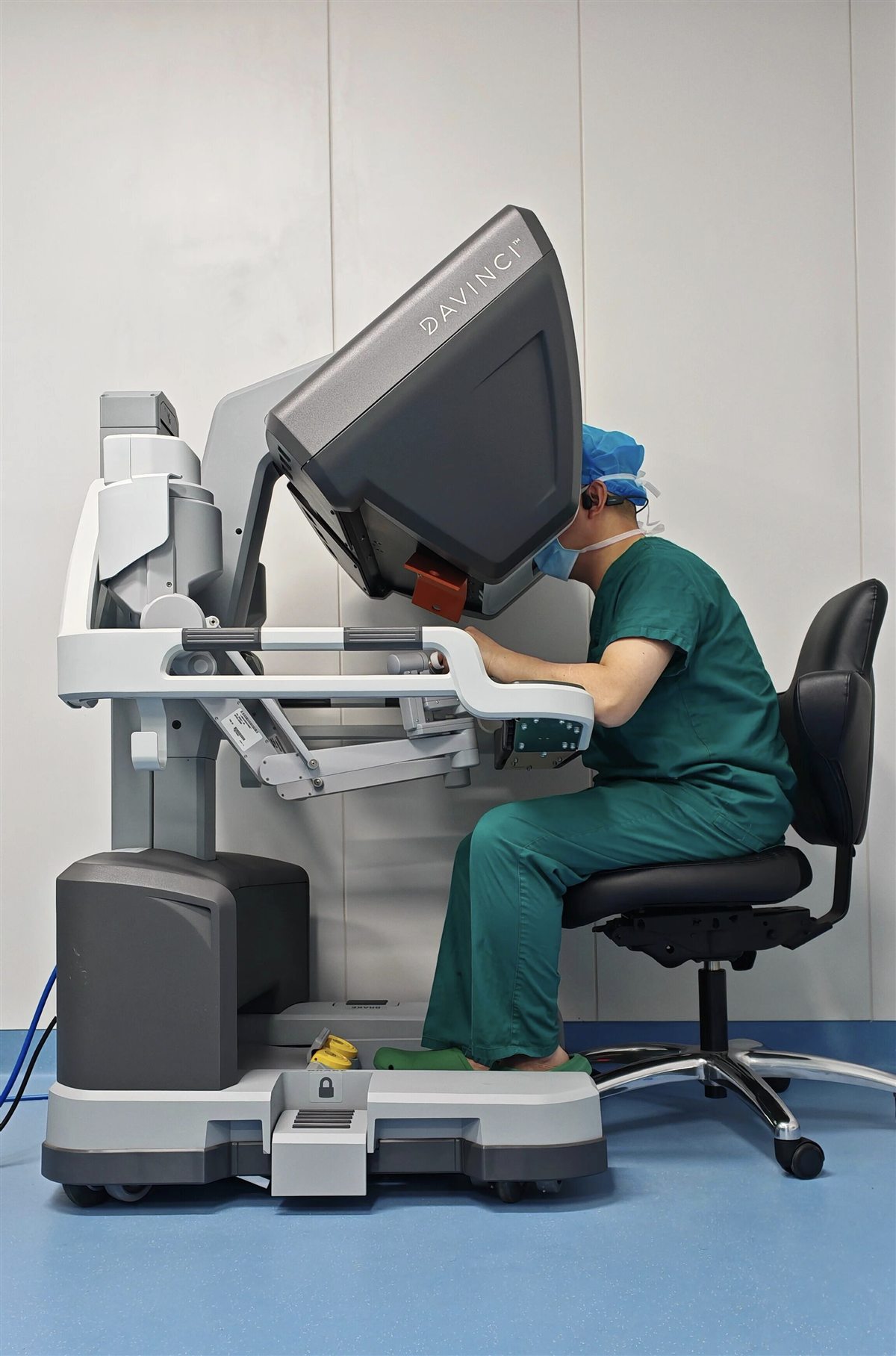
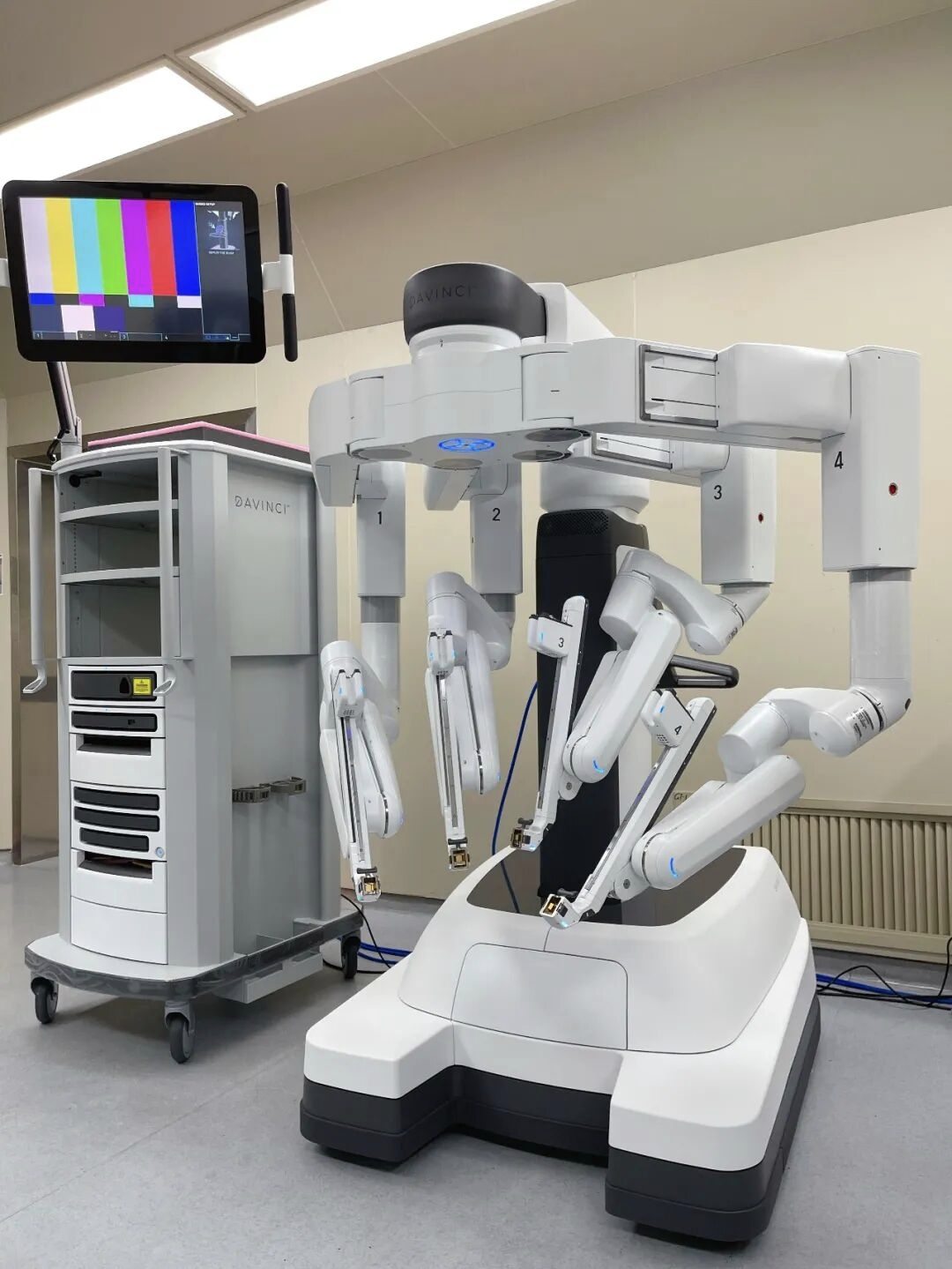
- robotic surgical systems
- endoscopic techniques
- image-guided procedures
- shorter hospital stay in selected cases
- faster recovery in selected patients
- less visible scarring in selected procedures
Why Consider China for Minimally Invasive Surgery?
International patients may consider China because of: China is not suitable for every surgical case. But for selected patients, China can be a serious option for minimally invasive surgical evaluation.
- large hospital systems
- high surgical volume in major centers
- advanced robotic surgery platforms
- experienced surgical teams in leading hospitals
- strong endoscopy centers
- day surgery and enhanced recovery development
- lower cost structure for selected procedures compared with many private systems in the US or Europe
- international medical departments in selected hospitals
- commercial insurance coordination in selected institutions
- ability to combine diagnosis, surgery evaluation, and follow-up planning
What Types of Minimally Invasive Surgery May Be Considered?
Suitability depends entirely on the diagnosis and surgeon evaluation. MedVoyage may help patients explore surgical evaluation pathways in areas such as:
Robotic Surgery
Robotic surgery may be used in selected cases involving: Robotic surgery is not automatically better for every patient.
- urology
- gynecology
- general surgery
- thoracic surgery
- colorectal surgery
- hepatobiliary and pancreatic surgery
- oncology-related surgery
- complex abdominal or pelvic procedures
Laparoscopic Surgery
Laparoscopic surgery may be used in selected abdominal and pelvic procedures, including gallbladder surgery, hernia repair, colorectal surgery, gynecologic surgery, urologic surgery, and selected oncology-related procedures.
Thoracoscopic Surgery
Thoracoscopic surgery may be used in selected chest conditions, including lung nodules, early lung cancer evaluation, mediastinal lesions, pleural disease, and thoracic oncology.
Endoscopic Diagnosis and Treatment
Advanced endoscopy may be used for digestive diseases and selected early lesions. Potential areas include gastroscopy, colonoscopy, endoscopic ultrasound, polyp removal, ESD, POEM, ERCP, and other specialist procedures.
Gynecologic Minimally Invasive Surgery
Gynecologic minimally invasive surgery may be relevant for selected cases such as uterine fibroids, ovarian cysts, endometriosis, benign gynecologic tumors, fertility-related surgical evaluation, and gynecologic oncology in selected cases.
Urologic Minimally Invasive Surgery
Urology is one of the strongest global use cases for robotic surgery. Potential areas include prostate cancer surgery, kidney tumor surgery, bladder disease, urinary tract reconstruction, adrenal tumors, and stone disease in selected settings.
Minimally Invasive Cancer Surgery
For some cancer patients, minimally invasive surgery may be possible. Cancer surgery requires accurate diagnosis, staging, pathology, imaging, and multidisciplinary evaluation.
Who May Be Suitable for Surgical Evaluation in China?
Minimally invasive surgery evaluation in China may be relevant for patients who: Suitability must be confirmed by qualified surgeons and hospitals.
- have a clear diagnosis and want surgical evaluation
- have abnormal imaging and need specialist review
- have lung nodules or early lung cancer concern
- need gastrointestinal endoscopic treatment
- are considering robotic surgery
- are comparing surgery options across countries
- face long waiting times in another healthcare system
- need a second opinion before surgery
- want to understand whether minimally invasive surgery is possible
- have family support or travel access to China
Who May Not Be Suitable?
China may not be suitable for patients who: MedVoyage is not an emergency service.
- require emergency surgery
- are medically unstable
- cannot travel safely
- need immediate ICU-level care before arrival
- have incomplete diagnosis
- cannot provide necessary records
- cannot remain in China long enough for surgery and follow-up
- cannot manage post-operative care after returning home
- expect guaranteed outcomes or guaranteed appointment access
Surgery Evaluation Usually Starts With Records
Before any surgical decision, patients should prepare:
- diagnosis summary
- imaging reports
- CT / MRI / PET-CT files
- pathology reports if cancer is suspected or confirmed
- endoscopy reports
- blood tests
- surgical history
- medication list
- allergies
- anesthesia history
- cardiac and lung function tests if available
- current treatment plan
- questions for the surgeon
How Much Does Minimally Invasive Surgery in China Cost?
Costs vary significantly. They depend on: Selected healthcare services in China may cost around 20%–50% of comparable prices in the US or Europe, depending on procedure, institution, materials, and complexity. This is not a guaranteed discount. Surgery must always be quoted case by case after medical evaluation.
- city
- hospital
- department
- diagnosis
- procedure
- surgical approach
- robotic vs laparoscopic vs open surgery
- anesthesia
- implants or devices
- operating room fees
- hospital stay
- medications
- pathology
- imaging
- ICU needs if any
- international department fees
- private vs public route
- insurance coverage